
Tiki Taka, Tiki Taka Casino: A Practical Playbook for Smart Sessions

Treating your casino sessions like a Tiki Taka football pattern means prioritizing possession, tempo and high-percentage exchanges over flashy, high-variance moves. This article gives a concrete, step-by-step approach to make shorter, more controlled sessions that aim to preserve bankroll and sharpen decision-making.
Core principle: small, frequent advantages
Tiki Taka in sport is about keeping the ball and waiting for a clear opening. In casino play, that translates to: pick games with low house edge, use small, consistent bets, and take bonuses or features only when they measurably improve expected value.
Practical checklist before you play
- Choose the right product: low-edge slots or blackjack with good rules and strategy charts.
- Set session goals: loss limit, win target, and maximum time; stop when any triggers hit.
- Stake structure: keep bets within 1–3% of your session bankroll to allow many « passes ».
- Exploit offers carefully: calculate whether a bonus or free spins meaningfully shift EV.
In-session tactics
Think of each bet like a pass. Avoid desperation increases after losses. If a sequence of small wins appears, press slightly but define an exit point. If play becomes emotional, step away — the Tiki Taka approach values possession over risky shots.
Track and adapt
Record basic metrics: session length, stakes, outcome, and a quick note on decision rationale. Over a dozen sessions you’ll see which games and tempos suit you. Adapt stake sizing or game choices based on that evidence rather than gut feeling.
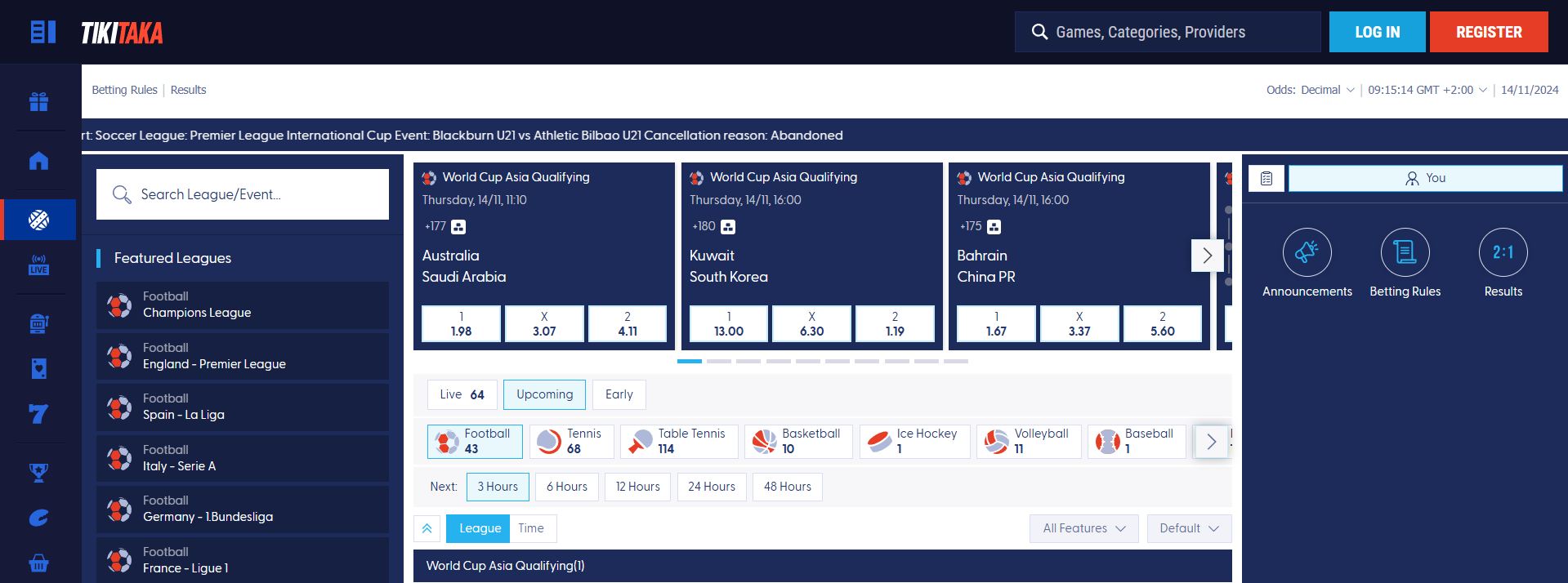
For a recommended platform that emphasizes responsible play and clear terms, see Tiki Taka Casino — check their game rules and bonus conditions before committing.
Final takeaway
Adopt the Tiki Taka mindset: prioritize controlled possession, modest stakes, and measured exits. That discipline reduces variance and turns guessing into a repeatable process. Start small, record outcomes, and refine your tempo — the long-term edge is in consistency, not in chasing big swings.
Ingénieur Supélec, conseiller en stratégie, Bruno Jarrosson enseigne la philosophie des sciences à Supélec et la théorie des organisations à l'Université Paris-Sorbonne. Co-fondateur et président de l’association "Humanités et entreprise", il est l'auteur de nombreux ouvrages, notamment Invitation à une philosophie du management (1991) ; Pourquoi c'est si dur de changer (2007) ; Les secrets du temps (2012) et dernièrement De Sun Tzu à Steve Jobs, une histoire de la stratégie (2016). Suivre sur Twitter : @BrunoJarrosson
Commentaires